Bold Brush Script: Elevating Design with Dynamic Typography
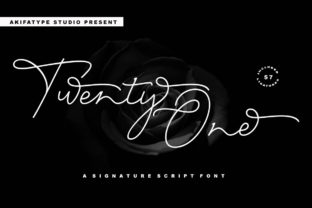
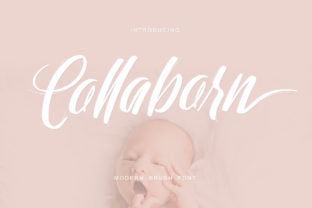
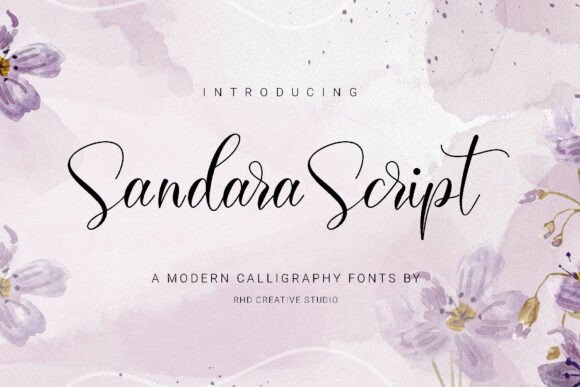
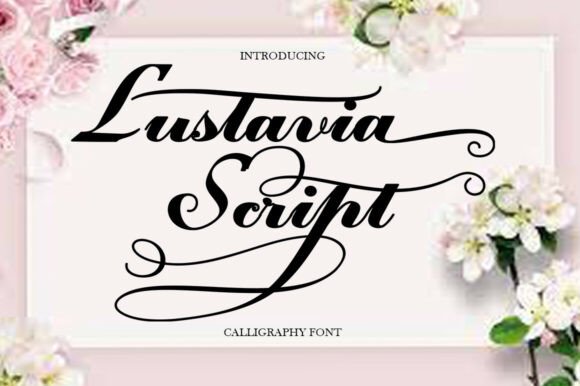
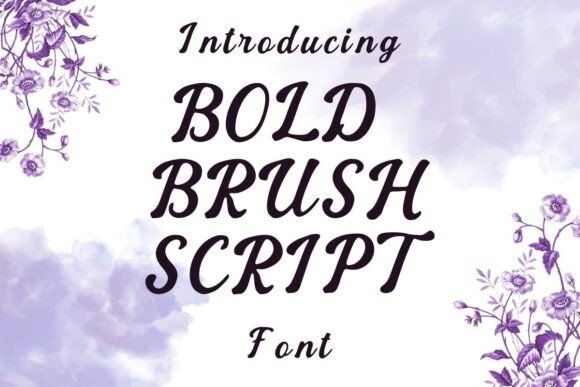
Bold Brush Script is a modern, expressive typeface that brings the energy of a confident brushstroke to digital and print design. With its thick, impactful lines and playful bounce, this font stands out as a powerful tool for designers looking to add artistic flair and contemporary style to their projects. Whether used in branding, social media graphics, or poster design, Bold Brush Script commands attention and adds a unique visual identity to any message.
Understanding Bold Brush Script and Its Role in Design
Bold Brush Script belongs to the script font family, but it distinguishes itself through its boldness and dynamic strokes. Unlike traditional cursive fonts that may appear delicate or ornate, Bold Brush Script carries a sense of strength and confidence. This makes it ideal for headings, titles, and other elements where impact and visibility are essential.
Designers often use script fonts to create a sense of personality and creativity. However, many script fonts can be difficult to read at smaller sizes or in certain contexts. Bold Brush Script overcomes this challenge by maintaining legibility while still delivering a strong visual presence. It's a versatile choice that works well across a range of mediums, from web design to print collateral.
Integrating Bold Brush Script into Your Workflow
Incorporating Bold Brush Script into your design workflow requires thoughtful planning. The font is best suited for projects where you want to make a statement—such as brand logos, marketing materials, or event posters. Before starting a project, consider how the font will interact with other design elements like color schemes, imagery, and layout.
During the design process, test Bold Brush Script in different sizes and weights to ensure it remains readable and visually appealing. Pairing it with a sans-serif font for body text can help maintain balance and clarity. This approach ensures that the boldness of the script font doesn't overwhelm the rest of the content.
After finalizing your design, review the font's performance across various devices and screen sizes. Bold Brush Script should remain consistent and legible whether viewed on a mobile phone, tablet, or desktop computer. This step is crucial for ensuring that your designs look professional and polished in all contexts.
Use Cases for Bold Brush Script
- Brand Identity: Use Bold Brush Script for logos, taglines, or brand names to convey confidence and creativity.
- Social Media Graphics: Apply the font to headlines, captions, or call-to-action buttons to grab attention and stand out in crowded feeds.
- Event Posters: Create eye-catching titles and promotional text that reflect the energy and excitement of an event.
- Marketing Materials: Incorporate the font into brochures, flyers, or banners to enhance visual appeal and reinforce brand messaging.
- Web Design: Use Bold Brush Script for navigation menus, headers, or hero sections to create a bold and memorable user experience.
Compatibility and Technical Considerations
Before using Bold Brush Script, check its compatibility with your design software and platforms. Most modern design tools like Adobe Photoshop, Illustrator, and InDesign support a wide range of fonts, including Bold Brush Script. Ensure that the font is properly installed and accessible within your preferred applications.
If you're working online, consider the font's availability on web-safe platforms. While some script fonts may not render consistently across browsers, Bold Brush Script is designed for cross-platform consistency. You can also embed the font using web font services like Google Fonts or Typekit to ensure it displays correctly on your website.
When exporting or printing your designs, verify that Bold Brush Script remains sharp and clear. High-resolution outputs are recommended to preserve the font's visual integrity. If you're unsure about the font's performance, test it in different formats and resolutions before finalizing your work.
Practical Implementation Tips
- Start with a Clear Purpose: Define the goal of your design before selecting Bold Brush Script. Is it to create a bold headline, add a touch of personality to a logo, or enhance a marketing campaign? Knowing your objective will help guide your choices.
- Test Across Platforms: Preview your design on multiple devices and screen sizes to ensure that Bold Brush Script looks good everywhere. Adjust spacing, sizing, and alignment as needed to maintain readability and aesthetics.
- Pair with Complementary Fonts: Combine Bold Brush Script with a clean, sans-serif font for body text to achieve balance. This contrast enhances legibility without sacrificing visual interest.
- Use Sparingly: While Bold Brush Script is eye-catching, overusing it can lead to cluttered or unprofessional results. Reserve it for key elements like headings and titles to maintain focus and clarity.
- Stay Consistent: Maintain a consistent style throughout your design by using Bold Brush Script in the same way across all elements. This helps create a cohesive and professional look.
Long-Term Use and Quality Control
As you integrate Bold Brush Script into your long-term design process, establish guidelines for its use. Document how and when the font should be applied, along with any specific formatting rules or preferences. This helps ensure consistency across all projects and reduces the risk of misuse or inconsistency.
Regularly review your designs to assess how Bold Brush Script performs in different contexts. Gather feedback from colleagues, clients, or users to identify areas for improvement. This iterative approach allows you to refine your use of the font and maximize its effectiveness over time.
Finally, keep up to date with new versions or updates to Bold Brush Script. Font developers often release improvements, bug fixes, or additional features that can enhance your workflow. Staying informed ensures that you're always using the most reliable and advanced version of the font.
Bold Brush Script is more than just a font—it's a tool that empowers designers to create bold, expressive, and impactful visuals. By understanding its strengths, limitations, and practical applications, you can integrate it seamlessly into your creative process and elevate your designs to new heights.