Lodiane Script: A Vintage-Inspired Font for Modern Branding and Creative Workflows
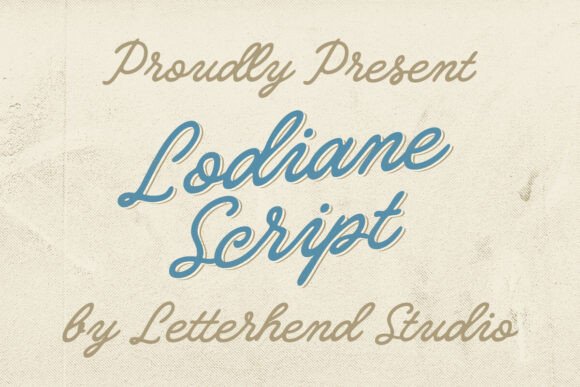
Lodiane Script is a vintage-inspired script font that brings a touch of elegance and nostalgia to digital and print projects. Designed with flowing curves, subtle shadowing, and smooth strokes, it captures the essence of handcrafted typography while maintaining a clean, modern usability. This font is ideal for branding, logos, packaging, invitations, and editorial design, offering a unique blend of classic sophistication and rustic warmth.
Understanding the Role of Lodiane Script in Design Workflows
Incorporating Lodiane Script into a design workflow requires an understanding of its visual characteristics and how they interact with other elements. Its retro aesthetic makes it particularly well-suited for projects that aim to evoke a sense of history or tradition. Whether used as a primary or secondary font, Lodiane Script adds character without overwhelming the overall design.
Before starting a project that involves Lodiane Script, it's important to consider the context and purpose of the design. For example, using this font in a logo might require pairing it with a sans-serif typeface to ensure legibility and balance. Similarly, when designing packaging, the font can be used for headings or accents, allowing the rest of the text to remain clear and easy to read.
Pre-Project Considerations
When planning a project that includes Lodiane Script, take time to evaluate the following factors:
- Brand identity: Does the font align with the brand’s personality and values?
- Target audience: Will the font appeal to the intended demographic?
- Legibility: How does the font perform at different sizes and on various media?
- Compatibility: Are there any tools or platforms where the font may not render correctly?
By addressing these questions early, you can avoid potential issues and ensure that Lodiane Script enhances rather than detracts from your design.
Implementing Lodiane Script During the Design Process
During the execution phase of a design project, Lodiane Script can be integrated in several ways. It's often used for titles, headlines, and call-out sections due to its decorative nature. However, it's essential to maintain consistency in spacing, alignment, and color to ensure a cohesive look.
One practical approach is to use Lodiane Script for key phrases or names while keeping body text in a more straightforward font. This method allows the design to remain readable while still incorporating the unique charm of the script font.
When working with digital tools like Adobe Photoshop, Illustrator, or Canva, make sure to import Lodiane Script correctly. Some platforms may require additional steps to install or activate the font. Always test the font across different devices and screen types to confirm its performance.
Pairing Lodiane Script with Other Fonts
To create a balanced design, pair Lodiane Script with complementary fonts. Common choices include:
- Sans-serif fonts: These provide a clean contrast to the script style.
- Serif fonts: They can add a similar level of elegance, making them suitable for longer passages of text.
- Modern slab serif fonts: These offer a bold yet refined appearance that works well with the vintage feel of Lodiane Script.
Experimenting with different combinations can help find the right balance between style and functionality. Use online tools like Font Pair to explore compatible font pairings.
Using Lodiane Script After Project Completion
Even after a project is complete, Lodiane Script can continue to play a role in the long-term management of design assets. For instance, if you're creating a brand guideline document, including examples of how Lodiane Script should be used across different mediums can help maintain consistency in future projects.
Additionally, Lodiane Script can be part of a larger asset library that includes other fonts, colors, and graphic elements. Organizing these resources in a centralized location—such as a cloud-based folder or design system—can streamline access and reduce duplication of effort.
For ongoing projects or updates, having a clear set of rules about when and how to use Lodiane Script ensures that the font remains a consistent element of the brand or publication. This is especially important for businesses that frequently update their materials or publish content regularly.
Long-Term Use and Maintenance
As with any design asset, it's important to periodically review how Lodiane Script is being used. Trends in typography evolve over time, so what feels appropriate today may not resonate as strongly in the future. Keeping an open mind and being willing to adapt can help maintain the relevance of your designs.
Regularly updating your font library with new additions or revisions to existing fonts can also be beneficial. Many designers subscribe to font services like Adobe Typekit or Fontbundles to stay current with new releases and updates.
Practical Tips for Integrating Lodiane Script
Here are some practical tips to help integrate Lodiane Script into your workflow effectively:
- Test extensively: Check how the font looks on different screens, printers, and file formats before finalizing a design.
- Use sparingly: Avoid overusing the font, as it can become distracting or difficult to read in large amounts.
- Keep it consistent: Maintain uniformity in spacing, size, and color when using the font across multiple elements.
- Backup your files: Store copies of your design files in a secure location to prevent loss of work due to technical issues.
- Seek feedback: Ask colleagues or clients for input on how the font is being used and whether it meets the intended goals.
These steps can help ensure that Lodiane Script is used effectively and efficiently throughout the entire design process.
Workflow Examples
Here are a few real-world examples of how Lodiane Script can be integrated into different workflows:
- Logo design: Use Lodiane Script for the company name or tagline, paired with a sans-serif font for the rest of the logo text.
- Invitations: Apply the font to the main title or event details to add a personal, handcrafted feel.
- Editorial design: Incorporate the font in headings or pull quotes to enhance visual interest without compromising readability.
- Packaging: Use the font for product names or promotional messages, ensuring it complements the overall branding.
Each of these scenarios demonstrates how Lodiane Script can be tailored to fit specific needs while maintaining its core aesthetic.
Final Thoughts on Using Lodiane Script
Lodiane Script is more than just a font—it's a tool that can elevate the visual impact of your work. By understanding its strengths and limitations, you can use it effectively in a variety of contexts. Whether you're designing a logo, crafting an invitation, or enhancing a publication, this vintage-inspired script font offers a unique way to express creativity and personality.
With careful planning, thoughtful implementation, and regular evaluation, Lodiane Script can become a valuable asset in your creative toolkit. As with any design element, the key is to use it intentionally and consistently to achieve the best possible results.