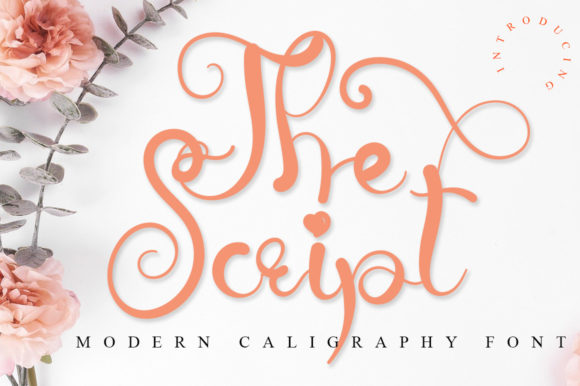
The Script: A Handwritten Font for Stylish and Romantic Design
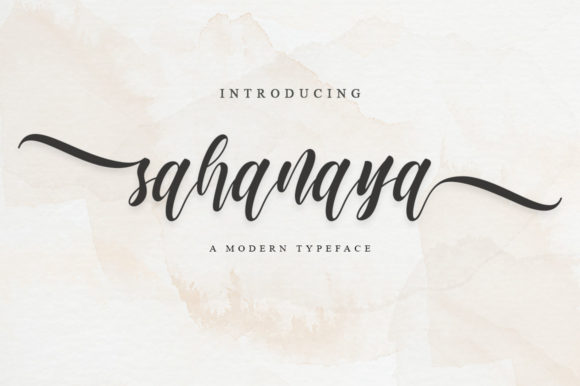
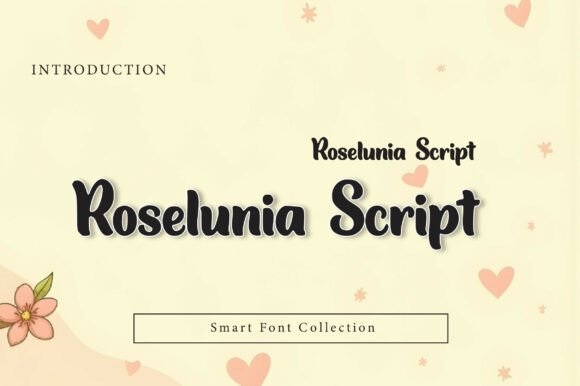
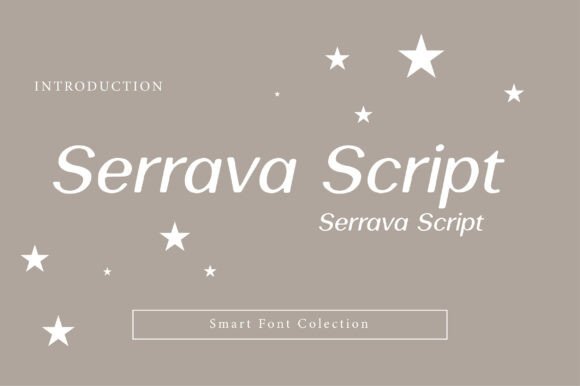
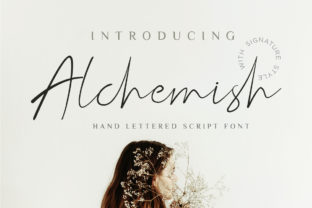
The Script is a handwritten font that brings a personal and elegant touch to any design project. Its organic, flowing strokes mimic the natural movement of handwriting, giving it a unique charm that sets it apart from more structured typefaces. This font is especially popular among designers looking to convey a sense of authenticity, romance, or artistic flair in their work.
As a font, The Script is ideal for projects that require a delicate balance between readability and visual appeal. It works well in contexts where a more traditional or formal font might feel too rigid or impersonal. Whether used for invitations, branding, or creative content, The Script adds a layer of warmth and personality that can make a strong impression on viewers.
Why You Might Be Interested in The Script
If you're looking for a font that feels handcrafted and visually engaging, The Script could be an excellent choice. Its style is particularly appealing for those who want to evoke emotions such as love, nostalgia, or creativity. For example, wedding invitations, greeting cards, and promotional materials for boutique businesses often benefit from the soft, romantic aesthetic of this font.
Another reason someone might be interested in The Script is its versatility. While it's primarily designed for decorative use, it can also serve functional purposes when used appropriately. However, it's important to consider how well it will perform in different design scenarios before committing to it.
Benefits of Using The Script
The primary benefit of using The Script is its ability to add a distinctive visual character to a design. Unlike many modern sans-serif fonts, which prioritize clarity and minimalism, The Script offers a more expressive alternative. This makes it well-suited for projects that aim to stand out and create an emotional connection with the audience.
Additionally, The Script can enhance the perceived value of a product or brand by conveying a sense of exclusivity and craftsmanship. In some cases, this can be particularly effective for niche markets or luxury brands that want to emphasize quality and individuality.
Tradeoffs and Considerations
While The Script has many advantages, there are also several factors to consider before using it in your design. One key consideration is legibility. Because of its stylized form, The Script may not be the best choice for long blocks of text or small font sizes. In these situations, it could become difficult to read, especially for audiences with visual impairments.
Another potential drawback is that The Script may not be compatible with all platforms or applications. Some software or websites may not support certain font formats, which could limit its usability in digital environments. It's always a good idea to test the font across different devices and platforms to ensure it displays correctly.
Situations Where The Script Is a Strong Fit
The Script is most effective in situations where a more personalized or artistic approach is desired. This includes but is not limited to:
- Wedding and event invitations: The romantic and elegant nature of The Script makes it perfect for creating memorable invitations that reflect the couple's personality.
- Brand identity and logos: For businesses that want to communicate a unique or artisanal image, The Script can help reinforce that message through visual storytelling.
- Creative content and marketing materials: From social media posts to print advertisements, The Script can add a touch of sophistication and originality to any campaign.
In these contexts, The Script can serve as a powerful tool for capturing attention and making a lasting impression. However, it's important to use it thoughtfully and strategically to avoid overwhelming the viewer or compromising the overall message.
When Alternatives May Be Worth Considering
There are situations where alternatives to The Script may be more appropriate. For instance, if the goal is to ensure maximum readability or accessibility, a more standard serif or sans-serif font might be a better option. These fonts are typically easier to read at smaller sizes and across different screen resolutions.
Similarly, if the project requires a consistent, professional appearance, such as in corporate communications or technical documentation, The Script may not be the best fit. In these cases, a clean and uniform font would likely be more suitable for maintaining a cohesive look and feel.
It's also worth considering the target audience when selecting a font. If the intended readership prefers a more modern or minimalist style, they may find The Script to be too ornate or outdated. Understanding the preferences of your audience can help guide your font selection and ensure that it aligns with their expectations.
Practical Insights for Decision-Making
When deciding whether to use The Script, it's important to evaluate both the purpose of the project and the needs of the audience. Ask yourself questions like: Does this font support the message I want to convey? Will it be easy to read in the intended context? Does it align with the overall brand identity?
Testing The Script in different scenarios can also provide valuable insights. Try using it in various sizes, colors, and backgrounds to see how it performs under different conditions. This can help you identify any potential issues and make informed adjustments before finalizing your design.
Ultimately, The Script is a beautiful and expressive font that can enhance the visual impact of a wide range of projects. However, like any design element, it should be used with intention and care to ensure that it serves its purpose effectively and enhances the overall experience for the audience.